Books we recommend
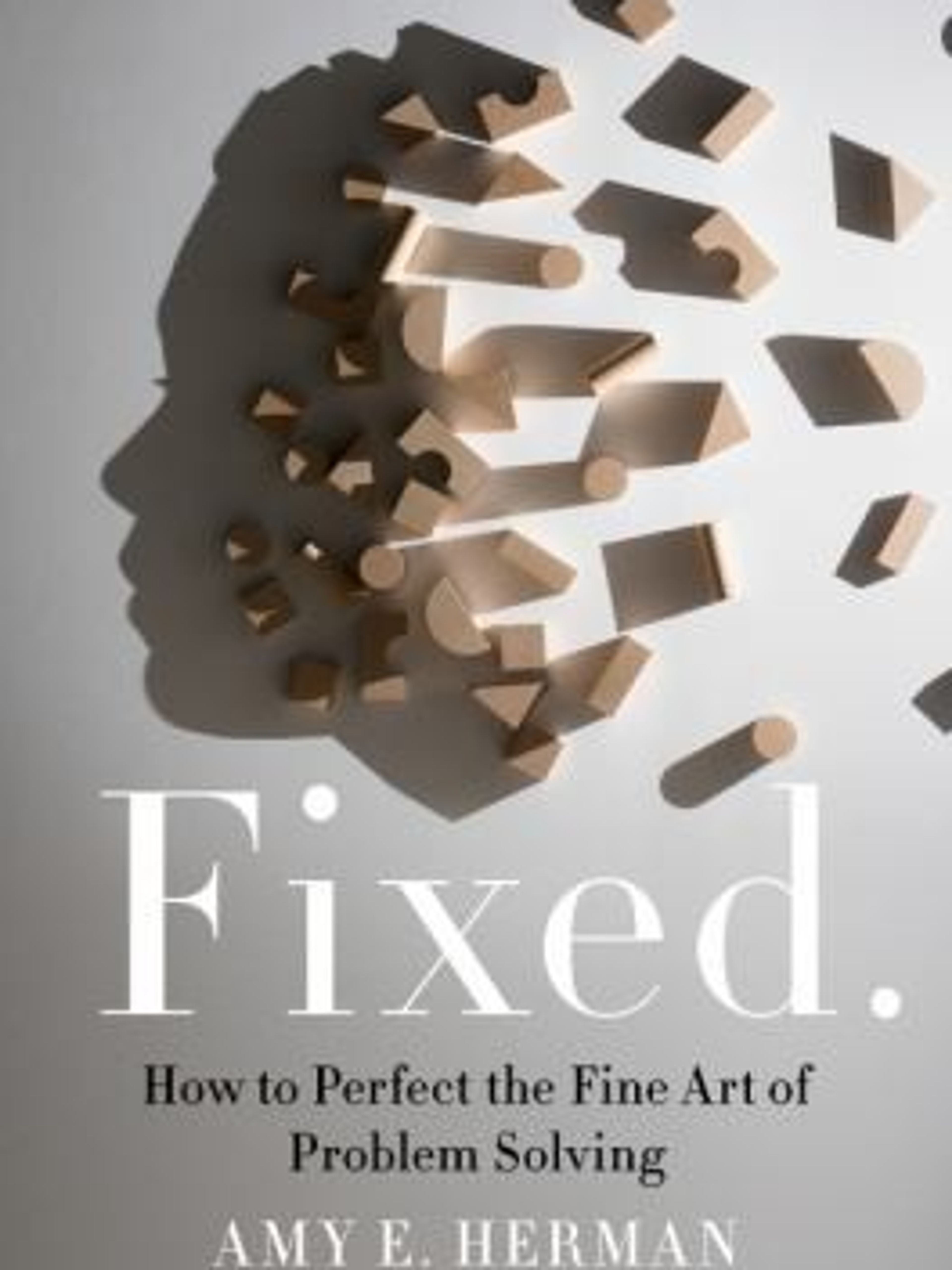
Fixed.: How to Perfect the Fine Art of Problem Solving
Amy E. Herman
Published 2021
• Seeing differently is a skill: by reframing how you look at people, problems, and patterns, you uncover solutions that were hiding in plain sight.
• Art is a training ground for problem solving: carefully observing paintings and photographs sharpens your ability to notice details, contradictions, and missing information in real-world situations.
• Ask better questions, not just for more answers: targeted, clarifying questions expose assumptions, reveal bias, and open new paths forward.
• Slow looking beats snap judgment: deliberate, methodical observation reduces costly errors that come from rushing to conclusions.
• Context changes everything: the same facts can mean very different things depending on who is involved, what’s at stake, and when you intervene.
• Communication is part of the solution: how you present what you see—your timing, tone, and structure—can determine whether your idea is heard and acted upon.
• Discomfort is productive: leaning into ambiguity, tension, and uncertainty often precedes the most creative and durable fixes.
• Problem solving is a repeatable practice: with routines for observing, questioning, synthesizing, and acting, you can turn “being stuck” into a temporary, manageable phase.
Continue your exploration