
Books we recommend
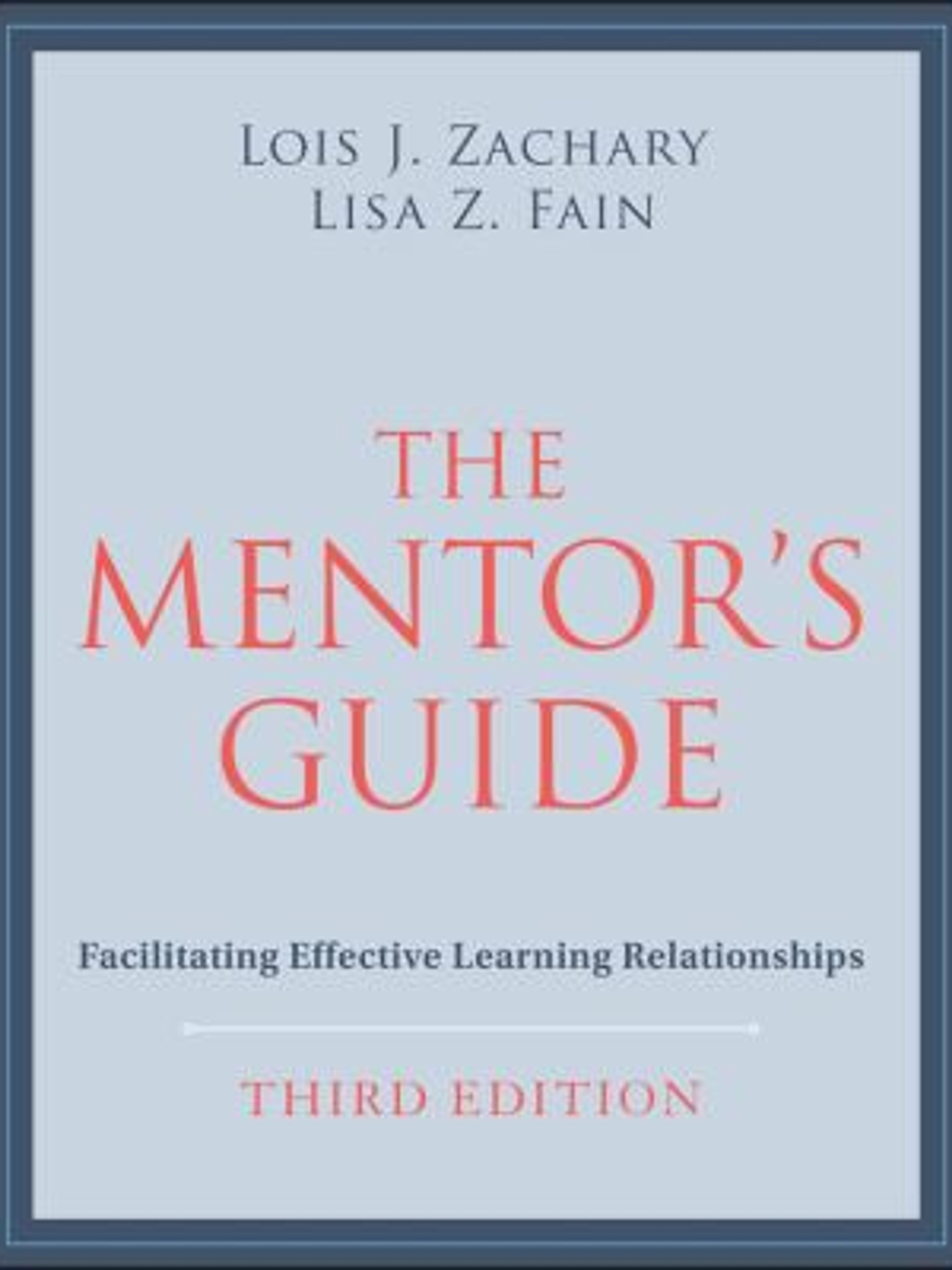
The Mentor’s guide
Lois J. Zachary, Lisa Fain
Published 2022
Mentoring
Key takeaways from The Mentor’s Guide
- Mentoring is a learning partnership – it is not about one expert teaching a novice, but about two people co-creating learning and growth.
- Clarity of purpose and expectations is essential – effective mentoring relationships start with explicit agreements about goals, roles, boundaries, and communication.
- Reflection drives development – mentors add the most value by asking powerful questions, encouraging reflection, and helping mentees make meaning of their experiences.
- The mentor is a facilitator, not a fixer – the role is to guide, challenge, and support, rather than to solve problems or give all the answers.
- Stages of the mentoring relationship matter – initiation, cultivation, separation, and redefinition each require different conversations, behaviors, and levels of structure.
- Trust and psychological safety are non‑negotiable – honest feedback, vulnerability, and learning from mistakes only happen when trust is intentionally built and maintained.
- Cultural and individual differences shape mentoring – effective mentors are aware of power dynamics, identity, and context, and adapt their style accordingly.
- Assessment and closure are part of good practice – regularly revisiting goals, measuring progress, and intentionally closing or redefining the relationship strengthens outcomes for both mentor and mentee.