Books we recommend
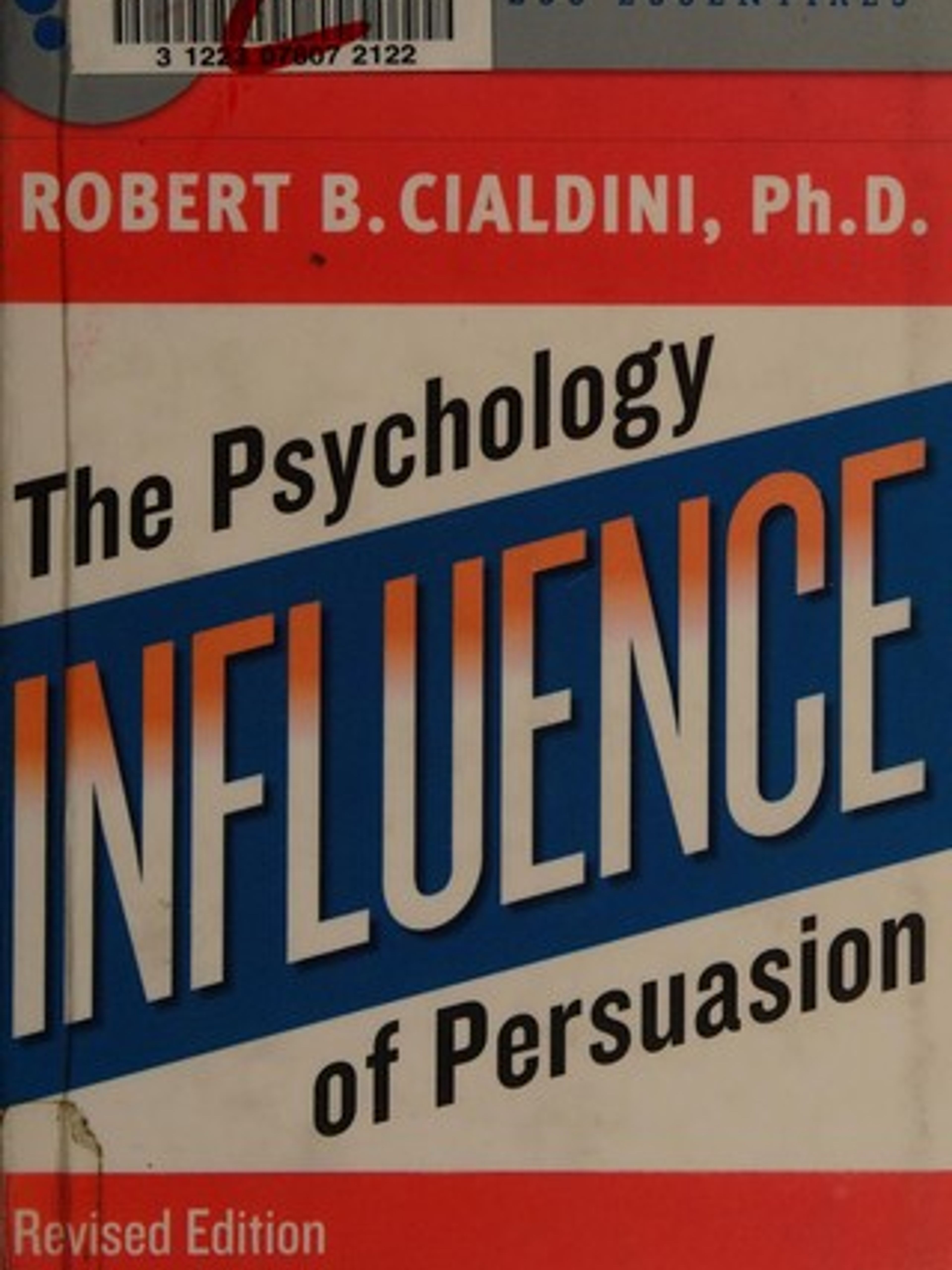
Influence: The psychology of persuasion
Robert B. Cialdini
Published 2007
InfluenceLeadership
- People rely on shortcuts: In complex, fast-paced environments, we default to mental shortcuts (like following authority or the crowd), which skilled persuaders can deliberately trigger.
- Reciprocity drives compliance: When someone gives us something—whether a gift, favor, or concession—we feel a strong internal pressure to give something back, even if we didn’t ask for it.
- Commitment and consistency lock in behavior: Once we publicly commit to a position or action, we feel compelled to behave consistently with that commitment, making small initial “yeses” powerful.
- Social proof shapes what we see as correct: We look to what others are doing—especially people like us or in uncertain situations—to decide what is appropriate, safe, or true.
- Liking makes us say yes: We are more easily persuaded by people we like—those who are physically attractive, similar to us, give us compliments, or are familiar.
- Authority strongly influences decisions: Symbols of authority (titles, uniforms, credentials, confidence) can trigger automatic obedience, even when the authority is only perceived, not real.
- Scarcity increases perceived value: Opportunities, products, or information seem more valuable when they are scarce, limited, or about to be taken away, which can rush us into poor decisions.
- Ethical use vs. manipulation: The same principles that can be used to exploit people can also be used ethically—to present value clearly, reduce friction, and help others make better choices.
- Awareness is protection: Recognizing these persuasion triggers in real time is the first defense against unwanted influence and helps leaders and professionals use them more responsibly.